
Can Dance Fitness Help Protect Your Brain as You Age?

Updated: Apr 22
It’s a question many people are asking as awareness of dementia continues to grow:
Is there anything we can do now to support our brain health as we get older?
While there is no guaranteed way to prevent dementia, research continues to show that our lifestyle choices can make a difference. And one of the most encouraging areas of study is something far more enjoyable than many people expect…
Movement.
More specifically, activities that combine physical exercise, coordination, learning, music and social connection — which is exactly where dance fitness comes in.
So, can dance fitness help protect your brain as you age?
The honest answer is: it may help support brain health, reduce risk factors, and improve wellbeing — but it is not a cure or guarantee.
And that’s still very good news.
Why Movement Matters for Brain Health
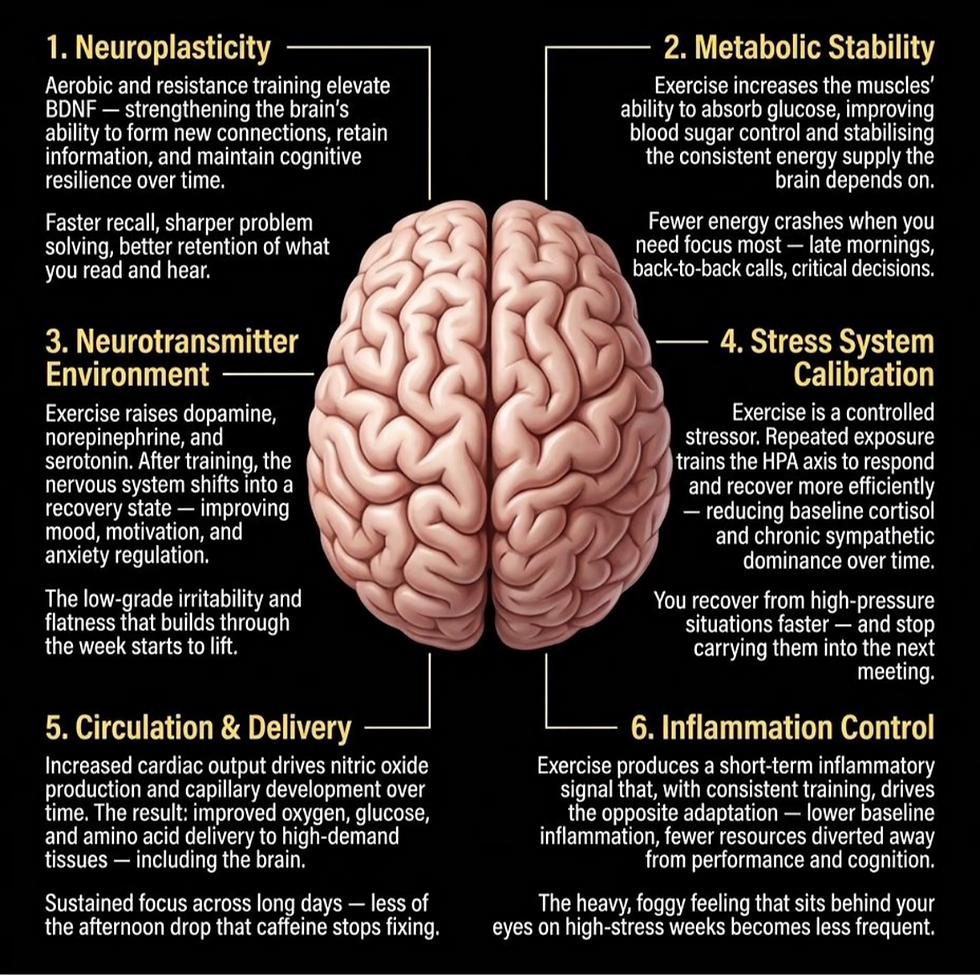
We often think of exercise as something we do for our waistline, heart or joints. But your brain benefits too.
Regular physical activity has been linked with:
Better blood flow to the brain
Improved mood and reduced stress
Better sleep quality
Lower risk of conditions such as high blood pressure, obesity and type 2 diabetes
Improved memory and concentration
Better balance and mobility
Many of these factors are important because they are also linked with dementia risk and healthy ageing.
The NHS and World Health Organization both highlight regular physical activity as an important part of looking after brain health as we age.
Why Dance Fitness Is So Special
Walking, swimming and strength training are all brilliant forms of exercise. But dance fitness offers something unique because it asks the brain and body to work together at the same time.
When you take part in a dance fitness class, you’re often using:
Memory – remembering steps and routinesCoordination – moving arms, legs and body together
Balance – shifting weight and controlling movement
Focus – following cues and staying present
Rhythm – responding to music and timing
Social connection – moving with others and sharing energy
Joy – perhaps the most underrated health tool of all
That combination makes dance a wonderfully rich activity for healthy ageing.
What Does the Research Say?
Recent reviews of scientific studies have found that dance-based exercise can have positive effects for older adults, including people with mild cognitive impairment and dementia.
Researchers reported improvements in areas such as:
Global cognition
Memory
Attention
Executive function
Balance
Mood
Quality of life
That doesn’t mean dance classes “cure” dementia or stop it progressing, but it does suggest that dance can be a valuable and enjoyable part of a healthy lifestyle, and may help people live better for longer.
It’s Not Just About the Brain
One of the biggest benefits of dance fitness is that it supports the whole person.
For many adults in midlife and beyond, classes can provide:
Confidence
Trying something new, learning routines and feeling capable can be incredibly uplifting.
Community
Loneliness and isolation can affect wellbeing at any age. Group classes create connection, laughter and shared experiences.
Mood Boost
Music and movement together are powerful medicine for the mind.
Independence
Better strength, balance and coordination can help people stay active and capable in everyday life.

Why This Matters in Midlife
The habits we build in our 40s, 50s, 60s and beyond matter.
You do not need to train like an athlete or spend hours in the gym. What matters most is consistency.
That’s one reason so many people enjoy classes like Zumba Gold — they are accessible, uplifting, and designed so you can go at your own pace.
The best exercise is often the one you actually look forward to doing.
A Gentle But Important Note
It’s important to be careful with health claims online.
No fitness class should promise to prevent dementia or slow the progression of diagnosed dementia.
The science simply isn’t that certain.
What we can say is this:
Regular movement supports overall brain health
Dance fitness combines many elements linked with healthy ageing
It can improve mood, confidence, mobility and social wellbeing
It’s never too late to start moving more
And that message is powerful enough on its own.
Ready to Get Moving?
If you’ve been meaning to do something positive for your health, let this be your reminder:
You do not have to be perfect. You do not have to be a dancer. You do not have to be “fit enough” first.
You just need to begin.
Whether it’s one class a week, a short online session at home, or stepping into something new with a friend — every bit of movement counts.
Your body will thank you.Your mind may too.
Come and Try a Class with Me
At Zumba with Jo… Let’s go!, classes are friendly, welcoming and designed for real people, not perfect people.
Whether you’d love the fun of Zumba, the accessibility of Zumba Gold, or moving from the comfort of home with the online library, there’s a place for you.
Come and experience the joy of movement for yourself.
👉 Visit www.zumbawithjo.com to explore classes and online options.
Further Reading & Sources
If you’d like to explore the science in more detail, these are trusted places to start:
NHS – Dementia prevention and physical activity guidance
Alzheimer's Society – Exercise, movement and dementia support resources
World Health Organization – Physical activity and healthy ageing guidance
PubMed – Search for recent reviews on dance interventions, cognition and older adults
Gerontology journals covering healthy ageing and exercise research


Comments