
Multi Joint Exercise Workouts


Multi-Joint Exercise Workouts: A Friendly Way to Move Smarter
Multi-joint exercise workouts are movements that work more than one muscle group and joint at the same time. Instead of focusing on just one muscle, your body works together as a whole. This makes these exercises both effective and time-saving.
Movements like squats, press-ups, and deadlifts are great examples. They feel natural because they reflect how we move every day. These workouts also support the benefits of adapting workouts for seasonal changes, helping you stay active and consistent throughout the year.
You may also hear multi-joint exercises called compound movements. They are popular because they help you get more out of your workouts without spending hours exercising. While single-muscle exercises have their place, combining them with compound movements can lead to more balanced, full-body results.
What Are Multi Joint Exercises?
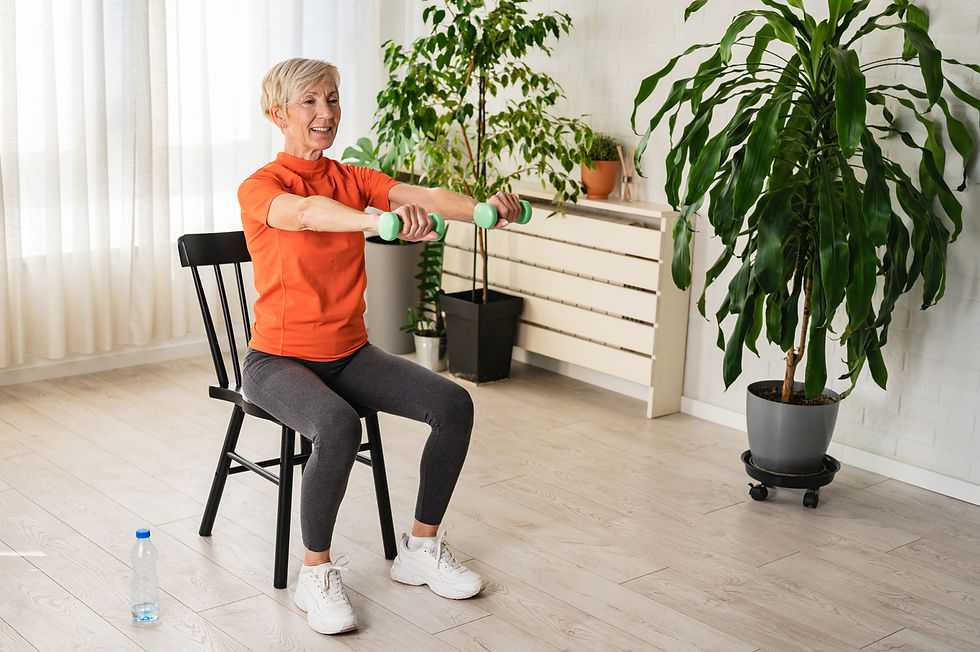
Multi-joint exercises involve two or more joints working together in one smooth movement. When you perform a squat, your hips, knees, and ankles all move together while your legs, core, and back support the action.
These movements reflect real-life activities like standing up, lifting objects, or reaching overhead. Training this way helps improve balance, coordination, and confidence in how your body moves. This approach also highlights how fitness enhances overall well-being, supporting both physical strength and mental health through regular movement.
Common examples include squats, rows, deadlifts, press-ups, and overhead presses. Adding simple illustrations here can help readers understand proper form and feel more confident trying the movements themselves.
Compound Exercises vs Isolation Exercises
Compound exercises work multiple muscle groups across several joints, while isolation exercises focus on one muscle at a time. A bicep curl is a good example of an isolation movement.
Both types of exercises are useful. Compound movements are especially helpful because they show how multi-joint movements improve training efficiency, allowing you to train more muscles in less time. Isolation exercises can then be added to support specific areas if needed.
Why Multi-Joint Exercises Are So Beneficial
One of the biggest benefits of compound exercises is efficiency. Because several muscles are working together, you burn more calories and build strength at the same time. When paired with cardio-based movement, these exercises also support the heart-health advantages of rhythmic workouts, creating a more balanced fitness routine.
Multi-joint movements help improve functional strength, making everyday tasks like climbing stairs or carrying shopping bags feel easier. Your core naturally activates during these exercises, supporting posture and stability without needing extra core-focused workouts.
Regular compound training also helps maintain joint mobility by moving your body through natural ranges of motion.
Key Movement Patterns to Know
Multi-joint exercises are built around simple movement patterns your body already uses:
Squat
Hinge
Push
Pull
Lunge
Rotation
Including a mix of these patterns helps ensure balanced strength and reduces the risk of overworking one area. Most effective routines are built around a comprehensive list of compound exercises that cover all these movement types.
Top Upper Body Multi Joint Exercises

Many strength programmes focus on the main compound lifts used in strength training, such as squats, bench presses, rows, and deadlifts. These movements work several muscle groups at once and form the foundation of many workout routines.
Upper body exercises like press-ups, pull-ups, and shoulder presses build strength in your arms, chest, and shoulders. Lower body movements like squats, lunges, and deadlifts help improve stability and support joint health.
Single-leg exercises are also great for balance and can be easily adjusted for beginners or those returning to exercise.
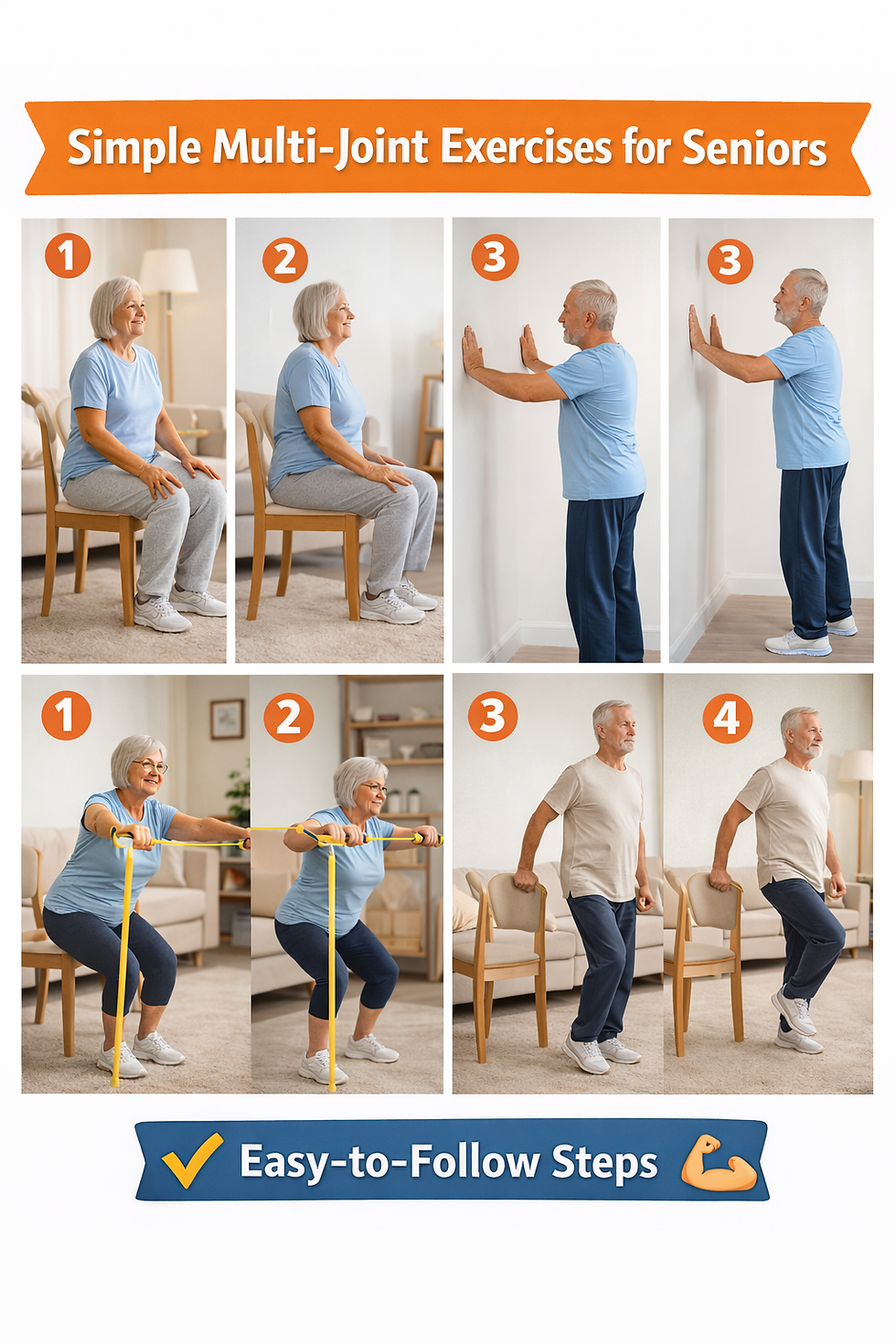
Here's an example of some easy to follow, low impact exercises:
Keeping Your Routine Simple and Enjoyable
You do not need a complicated routine to see progress. Start with the bigger movements when you feel fresh, mix in lighter exercises, and aim for balance between pushing and pulling movements.
Consistency matters more than perfection. Moving regularly in a way that feels good will always bring better results over time.
A Supportive and Enjoyable Way to Stay Active
Multi-joint exercise workouts work best when paired with movement you enjoy. Classes like Lift & Laugh include many of these exercises in a relaxed, supportive environment, making strength and mobility feel approachable rather than intimidating.
If you are looking for a welcoming way to stay active with Zumba With Jo and enjoy workouts designed to support your whole body while celebrating movement, confidence, and community at every stage of your fitness journey.


Comments